


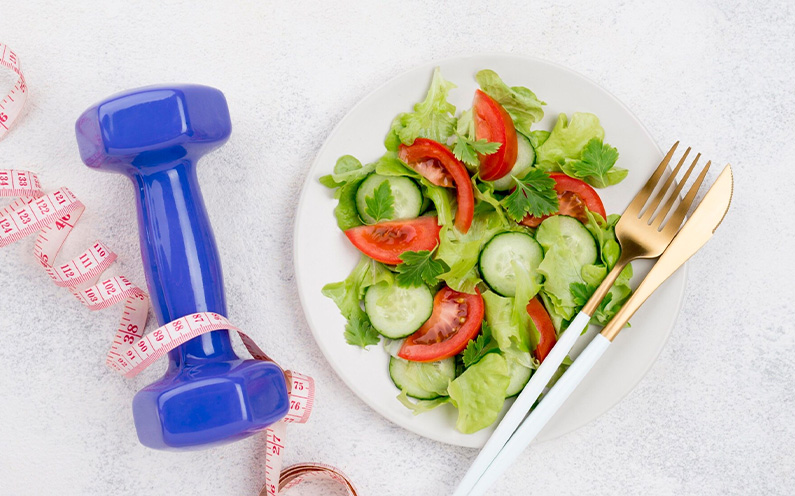
Maintaining health and fitness has become an integral part of our lifestyle. Proper nutrition and physical activity play a vital role in enhancing quality of life and reducing the risk of chronic diseases. We present to you below essential information needed to adopt a healthy lifestyle.
If you have a chronic condition or previous injury, always consult your doctor before starting a new diet or fitness plan.
Healthy Eating: Foods to Include in a Balanced Diet
Vegetables and fruits
- Aim for 5 servings daily (3 vegetables + 2 fruits)
- Eat whole fruits instead of juice to benefit from fiber
Grains and carbohydrates
- Choose whole grains for at least half of your daily intake
Dairy products
- Opt for low-fat or fat-free dairy options
Proteins
- Seafood, lean meats, poultry, eggs, legumes, grains, soy, and nuts
Fats
- Healthy fats like avocado, unsalted nuts, olive oil, and salmon
WHO Recommendations on Sugar, Fat, and Salt
Following these guidelines from the World Health Organization to help lower the risk of heart disease, diabetes, and obesity.
Fats
- Eat unsaturated fats and avoid industrial trans fats
- Limit saturated fats such as fatty meats, butter, coconut oil etc. Replace them with olive oil, fish, soy, canola, and nuts
Sugars
- Eat fruits and vegetables, and limit foods high in added sugar
Salt
- Limit to less than 5g/day (around 1 teaspoon)
Measuring Food Quantities
Here’s a take on accurate measurements that help control portions and prevent overeating.
Common tools used
- Measuring cup
- Tablespoon
- Teaspoon
Useful conversions
- 1 cup = 240 ml = 16 tablespoons
- 1 tablespoon = 3 teaspoons
- ⅓ cup = 5 tablespoons
- ½ cup = 8 tablespoons
Your Healthy Plate
Here’s a simple way to plan balanced meals:
- ½ plate: Vegetables and fruits
- ¼ plate: Protein
- ¼ plate: Carbohydrates
- A side of low-fat dairy
Vegetables should be the largest portion as they are high in nutrients and low in calories.
Your Healthy Diet Plan
Here’s our take on what a healthy diet plan looks like, provided you eat the meals in moderation:
Breakfast
- 1 boiled egg + tomato + toast + grilled low-fat cheese
- Oats with low-fat milk, peanut butter, and fruit
- Toast + egg (fried in olive oil) + avocado + mushrooms
- Whole wheat bread + low-fat cottage cheese + cucumber + tomato + mint + pesto
Lunch
- Grilled chicken + pasta + vegetable soup
- Biryani rice + chicken + salad
- Grilled salmon + mushrooms + potatoes + salad
- Meat stew with peas + rice + salad
Dinner
- Boiled eggs + labneh + veggie sticks
- Whole wheat tortilla + egg + low-fat cheese + vegetables
- Low-fat tuna + salad
- Steak + greens + roasted mushrooms + broccoli
Snack
- Air-popped popcorn
- Handful of nuts + unsweetened tea
- Apple + almonds
- Banana + dark chocolate
- Coffee with low-fat milk + dark chocolate square
- Orange juice + Greek yogurt
General tips for a Healthy Living
- Don't deprive yourself. Eat from all food groups in moderation
- Follow the ¼ protein + ¼ carbs + ½ vegetables plate formula
- Choose grilled, steamed, or boiled foods over fried
- Avoid store-bought sauces. Make your own with less fat, salt, and sugar
- Drink 7–9 cups of water daily
- Allow one cheat meal per week
- Log meals to track progress and stay accountable
Benefits of regular physical activity
- Boosts mood, sleep, and energy
- Reduces stress, anxiety, and depression
- Helps manage weight
- Supports heart, bone, and joint health
- Improves overall well-being
Mental barriers like fear or past failure can stop progress. Stay consistent and be kind to yourself.
Fitness Tips
- Exercise with a friend
- Choose fun, enjoyable activities
- Set a consistent time each day
- Set short-term goals and reward progress
- Use a pedometer and aim for 10,000 steps
- Be realistic and start slow
- Mix up your routine to avoid boredom
Guidelines for getting started
1. Choose the right activity
- Aerobics (e.g., swimming)
- Strength (e.g., weights)
- Flexibility (e.g., yoga)
2. How long should you exercise?
- WHO recommends 30 min/day, 5 days/week
- Break it up if needed (3 x 10-minute sessions)
3. Progress over time
- Phase 1: Build (4–6 weeks)
- Phase 2: Improve (4–6 more weeks)
- Phase 3: Maintain (6 months+)
4. Workout session format
- Warm-up: 5–10 minutes
- Activity: 30–60 minutes
- Cool-down: 5–10 minutes
Do You Know Your BMI?
BMI = Weight (kg) ÷ [Height (m)] ²
| Classification | BMI Range |
|---|---|
| Underweight | < 18.5 |
| Normal | 18.5–24.9 |
| Overweight | 25–29.9 |
| Obesity I | 30–34.9 |
| Obesity II | 35–39.9 |
| Severe Obesity | ≥ 40 |
Waist Measurement
| Gender | Increased Risk | High Risk |
|---|---|---|
| Female | ≥ 80 cm | ≥ 88 cm |
| Male | ≥ 94 cm | ≥ 102 cm |
How to Measure Waist Circumference
- Stand straight and relaxed
- Find the midpoint between ribs and hips
- Wrap a soft tape measure around that point
- Measure after exhaling—don’t hold your breath
Physical Activity: Myths vs. Facts
- Myth: Only overweight people need exercise
Fact: Everyone benefits from it
- Myth: Exercise must be expensive
Fact: Walking and home workouts are free
- Myth: No sweat = no effort
Fact: Sweat isn’t always linked to intensity
- Myth: You need hours to see results
Fact: Just 30 minutes a day is enough
Preventing Sports Injuries
- Wear breathable clothes
- Exercise in safe weather and clean air
- Wait 2–3 hours after a heavy meal
- Stay hydrated: 6–8 cups of water
- Warm up and cool down every time
- Stop if you feel chest pain, dizziness, or nausea
- Don’t push through illness or fever
Choosing the Right Shoes
| Activity | Shoe Features |
|---|---|
| Walking | Flexible sole, heel cushion, toe space |
| Running | Heel support, cushioned sole, arch support |
| Aerobics | Stiff sole, cushioned heel, flexible front |
Social media share
If you like the content you can share it via