

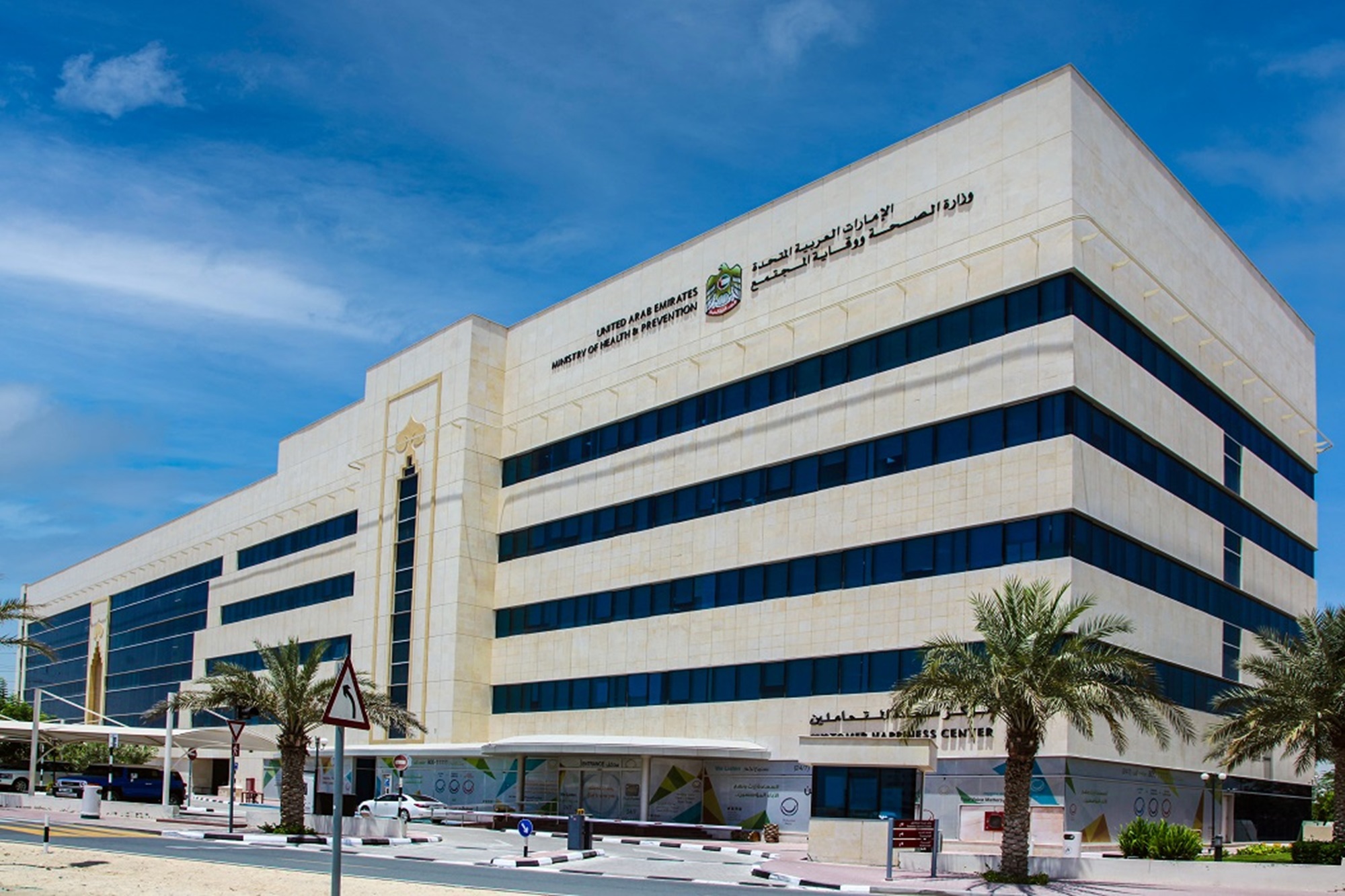
The Ministry of Health and Prevention (MoHAP), in collaboration with Merck Gulf, showcased the results of the National Prediabetes and Diabetes Screening campaign (for type 2 diabetes) launched by the Ministry in October 2023 as part of the Government Accelerators Programme.
The campaign was first launched to strengthen prevention efforts and achieve the targets of the national indicator for reducing the prevalence of type 2 diabetes in the UAE. The results were presented at ISPOR Europe 2025.
The presentation highlighted the outcomes of the year-long campaign, which exceeded its original early screening target by conducting more than 150,000 diabetes screening tests nationwide, compared to the initial goal of 100,000 tests.
This achievement demonstrates the efficiency of the national healthcare system, the integration of efforts across health authorities, and the importance of strategic partnerships with the private sector, contributing to enhanced quality of life in the UAE.
The campaign results showed that 26.5% of individuals in high-risk groups were diagnosed with prediabetes, while 7.6% were found to have type 2 diabetes. The findings also highlighted variations related to age and gender, reaffirming the importance of targeted screening, early preventive interventions, and linking screening outcomes to structured follow-up and treatment pathways.
In addition, the results demonstrated that promoting healthy lifestyle patterns contributed to 8.1% of individuals with prediabetes returning to normal glycated haemoglobin (HbA1c) levels within six months, while only 1% of participants progressed to type 2 diabetes. This reflects the effectiveness of the preventive approach adopted by the Ministry in supporting the sustainability of a safe, prevention-focused and healthy community.
National campaigns
H.E. Dr Hussain Abdul Rahman Al Rand, Assistant Undersecretary for the Public Health Sector at the Ministry of Health and Prevention, emphasised that diabetes and prediabetes are among the most pressing public health challenges.
He noted that national screening initiatives led by the National Prediabetes and Diabetes Screening campaign play a critical role in identifying high-risk groups, helping to prevent serious complications and reduce the associated health and economic burdens on the country.
Al Rand noted that prioritising regular screening for high-risk populations, alongside strengthening a culture of prevention, is fundamental to building a healthier and more sustainable Emirati society.
Early detection, he added, is not merely a preventive measure but a strategic priority aligned with the vision of the UAE’s wise leadership to foster a proactive, resilient and health-aware community.
National indicators
For her part, Dr Buthaina Bin Belaila, Head of the Non-Communicable Disease and Mental Health Department, MoHAP, said that presenting the outcomes of the National Prediabetes and Diabetes Screening campaign at a specialised international conference demonstrates the success of the UAE’s approach to managing non-communicable diseases.
Bin Belaila noted that it also demonstrates the effectiveness of the strategy that the Ministry adopts to raise community awareness, integrate early screening with structured follow-up and treatment pathways, and leverage digital transformation to reach high-risk groups, thereby supporting national health indicators and strengthening the sustainability of public health outcomes.
Importance of partnerships
Meanwhile, Ahmed Abo El Fadl, General Manager of Merck Gulf, noted that diabetes continues to be one of the most significant health challenges in the Gulf region, stressing the importance of partnerships between the public and private sectors in driving progress.
Abo El Fadl explained that combining scientific rigour with collaboration in public health helps build data-driven solutions that support national policies and enable healthier communities across the region.
He also highlighted the importance of exchanging knowledge and sharing experiences at major international forums such as ISPOR Europe 2025, which is regarded as one of the world’s leading conferences in health economics and outcomes research.
Social media share
If you like the content you can share it via