


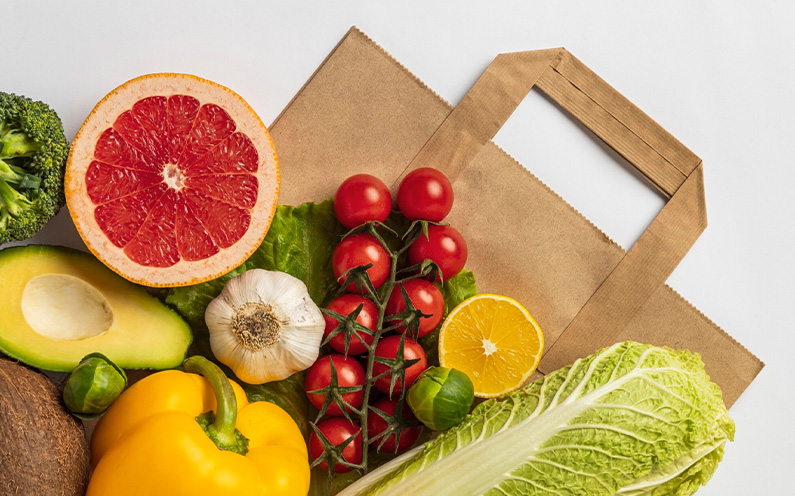
Healthy eating starts long before you sit down for a meal. It begins at the grocery store and in your kitchen. Planning your meals, choosing nutritious ingredients, cooking with care, and practicing portion control are essential steps to achieving a balanced diet.
Let’s see how you can make informed decisions while shopping, prepare meals the healthy way, and understand how to build the right portions for your daily needs.
Plan Ahead: Choose Healthy Ingredients
Creating a grocery list before you shop helps you stay focused on nutritious choices and avoid unnecessary spending or impulse purchases. Here's what to look for in each food category:
- Baked goods:
- Look for “whole wheat” or “whole wheat flour” as the first ingredient
- Choose bread with 3–4 grams of fiber per serving for better digestion
- Meat and fish:
- Trim visible fat from meat to reduce saturated fat
- Replace some animal proteins with plant-based options like legumes and lentils
- Rice and pasta:
- Aim to make at least half of your grain choices whole grains to benefit from fiber and nutrients
- Dairy, cheese, and eggs:
- Choose low-fat or fat-free options
- Avoid flavored yogurts that are high in added sugar. Buy plain yogurt and add fruit or a spoon of natural jam for sweetness
- Fruits and vegetables:
- Choose fresh, colorful varieties to maximize nutrient intake
- Avoid canned versions with added salt or preservatives
- Frozen fruits and vegetables are a convenient and nutritious alternative
- Packaged or ready-to-eat foods:
- Always check the nutrition label for added sugars, sodium, and unhealthy fats
Cook Healthy
You can transform even your favorite comfort foods into healthier meals by choosing better cooking techniques:
- Boiling: Preserves nutrients and keeps food natural — best done over low heat.
- Steaming: Keeps food moist and flavorful. Add herbs or spices to the water for enhanced taste.
- Oven roasting: Requires minimal oil — great for meats and vegetables.
- Grilling: Melts away excess fat and needs no added oils.
Smart cooking tips
- Use spices, herbs, and aromatics to enhance flavor without extra fat.
- Marinate meat in lemon juice, tomato, or vinegar for added taste.
- Use non-stick cookware or cooking spray instead of oil.
- Limit frying to reduce excess calories.
Balanced Portions
Even healthy food can lead to weight gain if you eat too much of it. Managing portions ensures you're giving your body what it needs — no more, no less.
How your healthy plate should look like:
- ½ of your plate: Vegetables and fruits
- ¼ of your plate: Proteins (meat, fish, eggs, legumes)
- ¼ of your plate: Starches (rice, bread, pasta)
- Add a small side of low-fat dairy
Tip: Use smaller plates and bowls to naturally limit portion sizes.
Know Your Serving Sizes
Understanding serving sizes helps you stay on track with your caloric and nutritional goals. Servings vary based on age, gender, and activity level, but these general guidelines are a good place to start:
- Vegetables – 3–5 servings/day:
- ½ cup cooked vegetables
- 1 cup raw leafy greens
- ¼ cup 100% vegetable juice
- Fruits – 2–4 servings/day:
- 1 medium fruit
- ½ cup chopped fruit
- ¼ cup dried fruit
- ¼ cup 100% fresh fruit juice
- Oils (Unsaturated Fats) – 3 servings/day:
- 1 tablespoon vegetable oil (olive, canola, corn)
- Dairy – 2–3 servings/day:
- 1 cup milk or yogurt
- 45g of cheese
- Grains – 6 servings/day:
- ½ cup cooked pasta or rice
- 1 slice of bread
- Meat & Legumes – 2–3 servings/day:
- 85g cooked meat
- ½ chicken breast
- 1 egg
- ½ cup cooked legumes
Use your hand to estimate portions
No measuring cups handy? Use your hand:
- Palm = ~85g of meat
- Fingertip = 1 teaspoon of butter or oil
- Fist = 1 cup of rice, pasta, or vegetables
Social media share
If you like the content you can share it via