

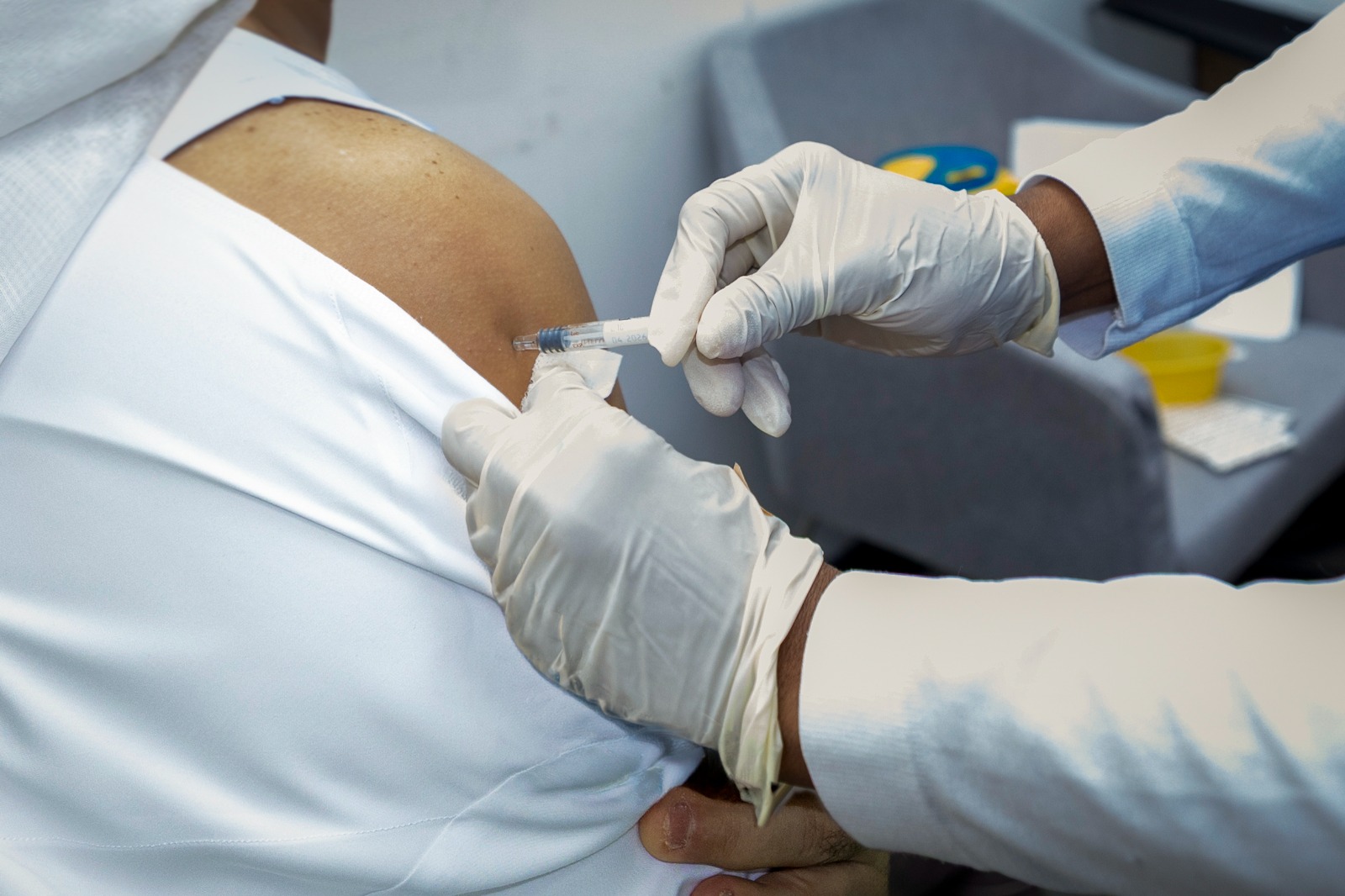

In a display reflecting the ultimate in readiness and preparedness, the Ministry of Health and Prevention (MoHAP) announced that 100% of UAE pilgrims have received the mandatory vaccinations approved for the Hajj season before heading to the Holy Lands, a step reflective of a progressive national approach to preventive measures and enhanced health preparedness, ensuring optimum protection and healthcare for pilgrims.
This falls within the framework of the “Healthy and Safe Hajj” campaign, a joint effort by MoHAP, health authorities, and relevant partners. The campaign aims to foster a culture of community prevention and enhance the health and safety of pilgrims throughout the various stages of the Hajj journey.
The Ministry emphasized that pilgrims' health and safety constitute a national priority, stating that the provision of mandatory vaccinations for all the UAE pilgrims demonstrates a high level of integration and coordination among national health and regulatory authorities. They also affirmed the MoHAP’s commitment to applying the highest public health standards and placing quality of life and human health at the forefront of national priorities.
These ongoing efforts also reflect a commitment to developing an advanced preventive system of early planning and raising health awareness, thus providing comprehensive health services to the highest global standards, ensuring the community's readiness to address various seasonal health challenges.
A Model of Excellence in Preventive Care in the UAE
In collaboration and coordination with the General Authority of Islamic Affairs, Endowments, and Zakat in Abu Dhabi, MoHAP has implemented a proactive and comprehensive plan designed to ensure the highest level of preparedness and to provide the various health care resources and services needed during this year's Hajj season.
The Ministry of Health and Prevention pays exceptional attention to the health of pilgrims, particularly older adults, individuals with chronic conditions, and pregnant women. These efforts also reinforce the UAE’s position in developing a comprehensive healthcare system built on proactive planning and sustainability.
A Readiness Contest in Makkah and the Holy Sites
Upon arrival in Makkah, the medical mission promptly launched its field preparedness plan and equipped medical clinics with the necessary medicines, equipment, and supplies to provide healthcare to UAE’s pilgrims in Makkah and the Holy Sites.
Preparations are based on earlier efforts that included screening pilgrims and categorizing their health conditions to ensure they are fit to perform the Hajj rituals with ease and safety, thanks to health centers of federal and local health authorities nationwide.
MoHAP is keen to implement intensive awareness programs following a clear strategy that began before departure via various media outlets and digital platforms. Programs will continue throughout the pilgrims' stay in Makkah and the Holy Sites, up until their return to the UAE.
Field Simulation to Assess Response Time
Reflecting the mission's high level of readiness, its medical team conducted a practical simulation of the treatment process for pilgrims, capturing every stage from the moment a patient arrives at the clinic through triage—where cases are classified as minor, moderate, or critical—to the provision of appropriate care or referrals to specialized hospitals for cases requiring medical intervention.
This included simulating procedures for transporting patients to specialized hospitals in Makkah using fully equipped ambulances staffed by qualified medical personnel, ensuring rapid and safe care. These procedures are to be repeated at the mission's fixed and mobile clinics in Arafat, Muzdalifah, and Mina, thereby enhancing readiness and improving the efficiency of the medical response.
Vaccinations, Screenings, and Comprehensive Care
Mandatory vaccinations for UAE pilgrims included the meningococcal vaccine, in addition to recommended vaccines in line with approved medical guidelines, primarily the seasonal flu vaccine and the pneumococcal vaccine, as these are particularly important for groups at higher risk of health complications.
The health services provided included free medical screenings, most notably blood pressure and blood sugar level checks, especially for the elderly and individuals with chronic
conditions. These were provided in cooperation with several health institutions, notably the Imperial College London Diabetes and Endocrinology Center in Abu Dhabi.
10 Guidelines for a Healthy and Safe Hajj
The Ministry continues to disseminate health guidelines through digital platforms, mobile apps, and SMS messages. The guidelines emphasize the importance of adhering to preventive measures, including: regular handwashing using sanitizers, wearing a face mask in crowded places, staying hydrated, avoiding direct exposure to sunlight, adhering to treatment plans for individuals with chronic conditions, wearing comfortable shoes to prevent blisters and injuries, and ensuring adequate rest and sleep while maintaining a healthy, balanced diet.
To the same end, MoHAP also urged caution regarding common health issues during the Hajj season, such as heat exhaustion, dehydration, skin abrasions, and foot injuries. It also urged the pilgrims to adhere to preventive guidelines and health measures to safeguard their health and safety and prevent them from contracting infectious diseases while in the Holy Lands, thereby ensuring their ability to perform the Hajj rituals with ease and comfort in a healthy and safe environment.
Care Continues After Pilgrims’ Return
MoHAP assured that health services for pilgrims continue even after the Hajj rituals have concluded, offering health follow-up programs and checkups for pilgrims upon their return to the country. The goal is to ensure early detection of any health complications and to provide the necessary preventive and therapeutic care.
Through this integrated system, the Ministry seeks to achieve four main objectives: continuity of healthcare, early detection of potential complications, promotion of preventive awareness, and reduction of emergency visits through early intervention. Accordingly, MoHAP is implementing electronic medical records to ensure easy access to health data and continuity of medical care, in addition to screening and classifying cases according to the health needs of each pilgrim and monitoring high-risk cases through specialized medical committees. As well. The Ministry plans for the necessary medications and treatments before departure, thereby enhancing prevention and increasing the pilgrims’ readiness throughout the Hajj journey.
Social media share
If you like the content you can share it via