

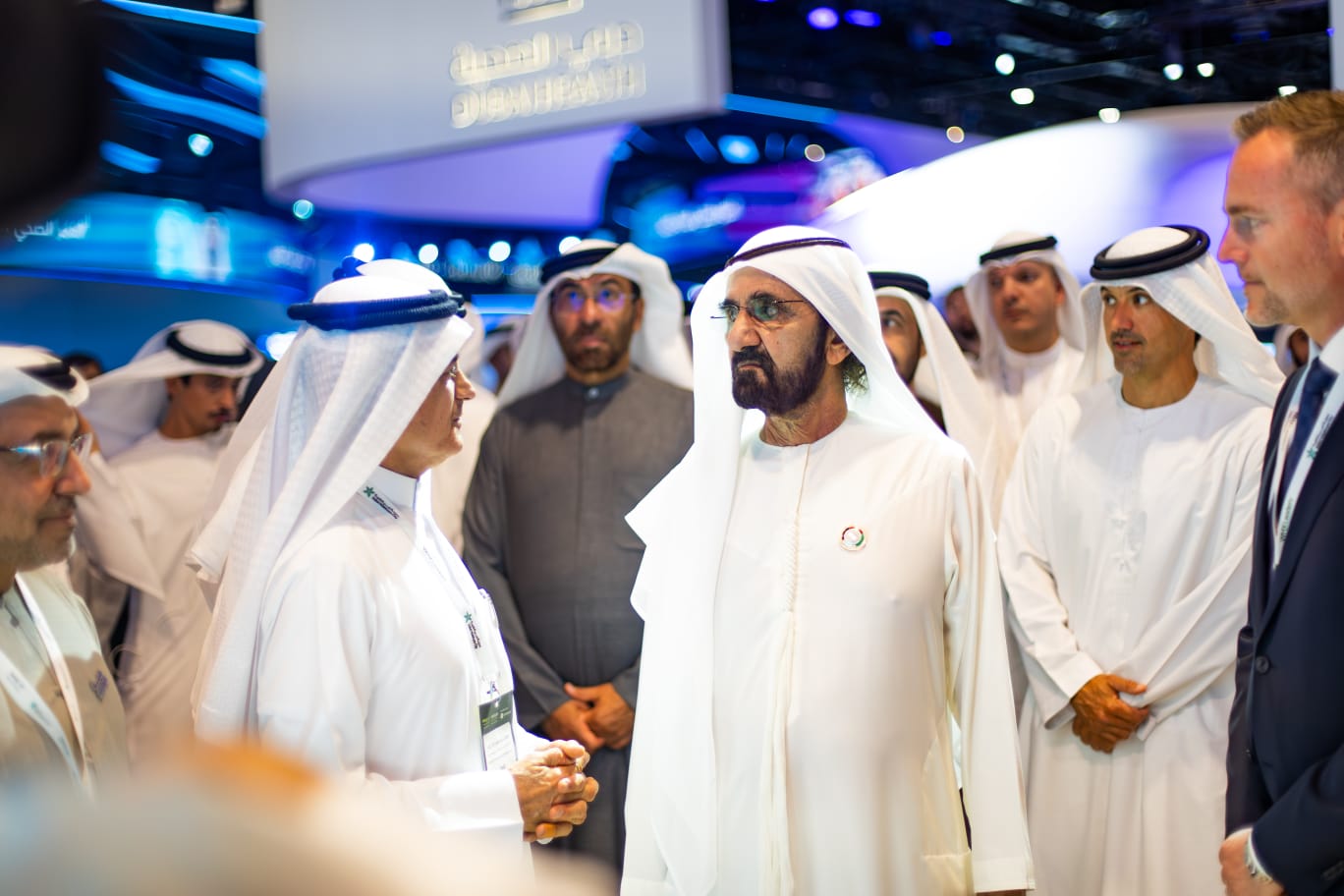
The unified national platform “Emirates Health” has showcase a portfolio of projects and initiatives at World Health Expo (WHX) 2026 in Dubai, reflecting the UAE’s leadership in the health sector at both regional and global levels.
The presentations highlighted the strength of the national health ecosystem, where human capabilities are integrated with advanced medical and health technologies, reinforcing the UAE’s commitment to sustaining the efficiency of its health system in line with the ambitions of the UAE Centennial 2071.
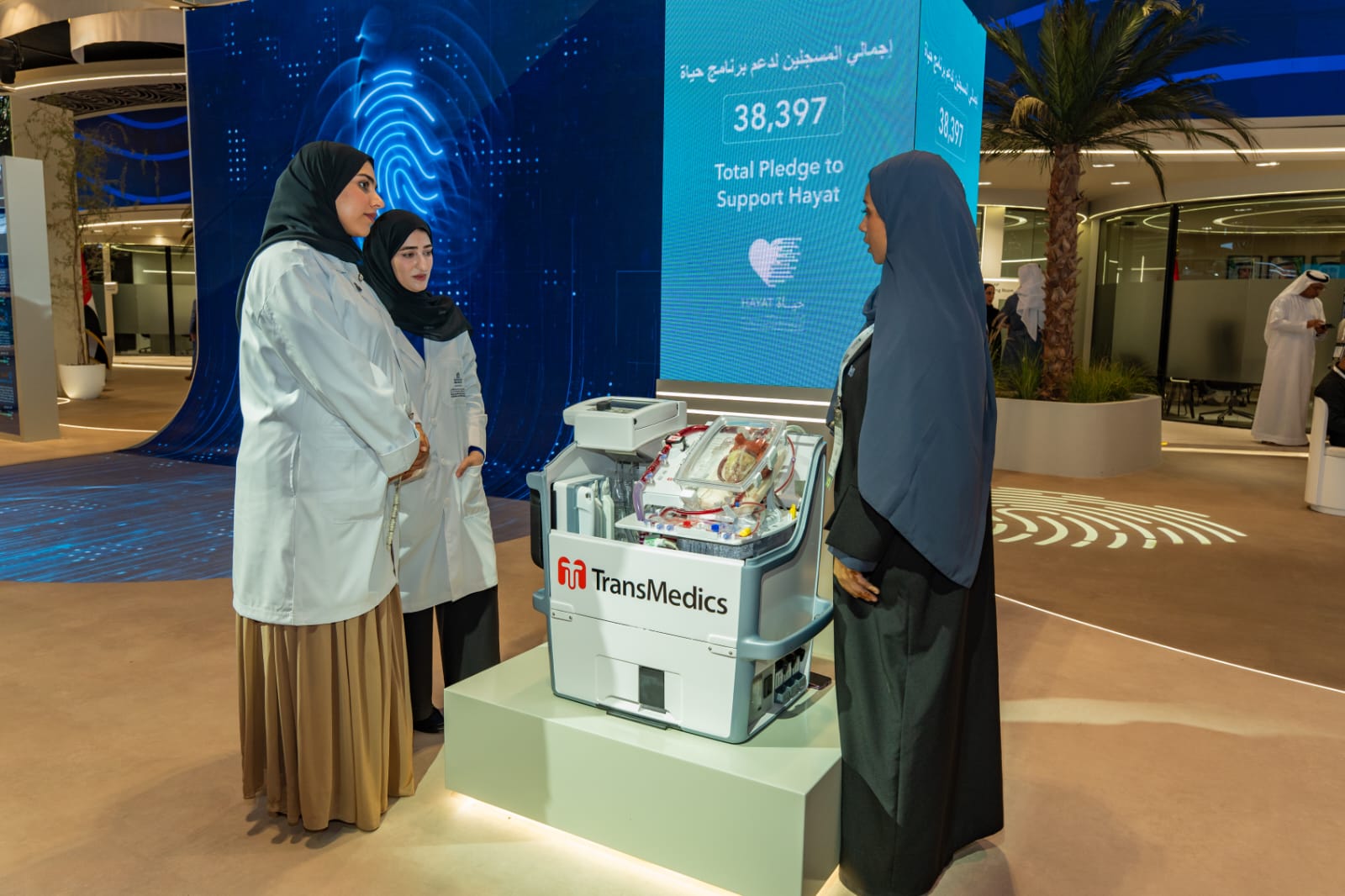
As part of the showcase, the Ministry of Health and Prevention (MoHAP) introduced the organ perfusion technology project as a key advanced medical solution supporting the National Programme for Organ and Tissue Donation and Transplantation, “Hayat”.
The technology enables vital organs to remain functional outside the human body by circulating blood or nutrient-rich solutions while maintaining optimal oxygen levels and temperature. This allows organs such as the heart or liver to remain in a stable condition until transplantation, significantly improving transplant readiness and outcomes. This project demonstrates the UAE’s commitment to deploying cutting-edge medical technology to save patients and provide safer, more effective treatment opportunities.
Simulation of the circulatory system
The organ perfusion device functions as a biological circulatory simulator. It provides a lifelike environment that enables medical teams to monitor the organ’s functional performance indicators, measure fluid flow, oxygenation levels, and biological response before transplantation.
This process increases surgical success rates, reduces the likelihood of organ rejection or complications, and even allows for the re-evaluation of organs that were previously deemed unsuitable.
Consequently, it expands the pool of potential transplant recipients and improves patients' quality of life within a precise scientific framework based on the latest global medical practices.
Enhancing organ preservation quality
H.E. Dr. Amin Hussein Al Amiri, Assistant Undersecretary for the Health Regulation Sector at MoHAP, stressed that this advanced technology extends the safe transport time of organs between cities and countries and improves their preservation quality, which enhances opportunities for regional and international collaboration in organ exchange and provides healthcare systems with greater flexibility in managing cross-border procedures.
It also supports the development of strategic partnerships between healthcare and research institutions and fosters integration between the legislative framework, medical personnel, and smart technologies. This, in turn, reinforces the culture of organ donation as a profound humanitarian value and renews hope for patients with organ failure and their families.
Optimising medical resource efficiency
H.E. Dr. Al Amiri said: “Integrating smart perfusion devices into the services provided by the National Centre to regulate Human Organs and Tissues Transplantation would further enhance the sustainability of the healthcare system and improve the efficiency of medical resource allocation.”
H.E. added: “The technology enables more accurate organ assessment and improved logistical planning for transplant procedures, easing pressure on healthcare facilities.”
H.E. further noted: “This technological shift also supports the healthcare innovation pathway while reaffirming the nation's commitment to adopting modern technologies and artificial intelligence in therapeutic and preventive fields. It contributes to building a more prepared, resilient, and responsive healthcare system capable of addressing future challenges and achieving quality-of-life objectives.”
National Genome System
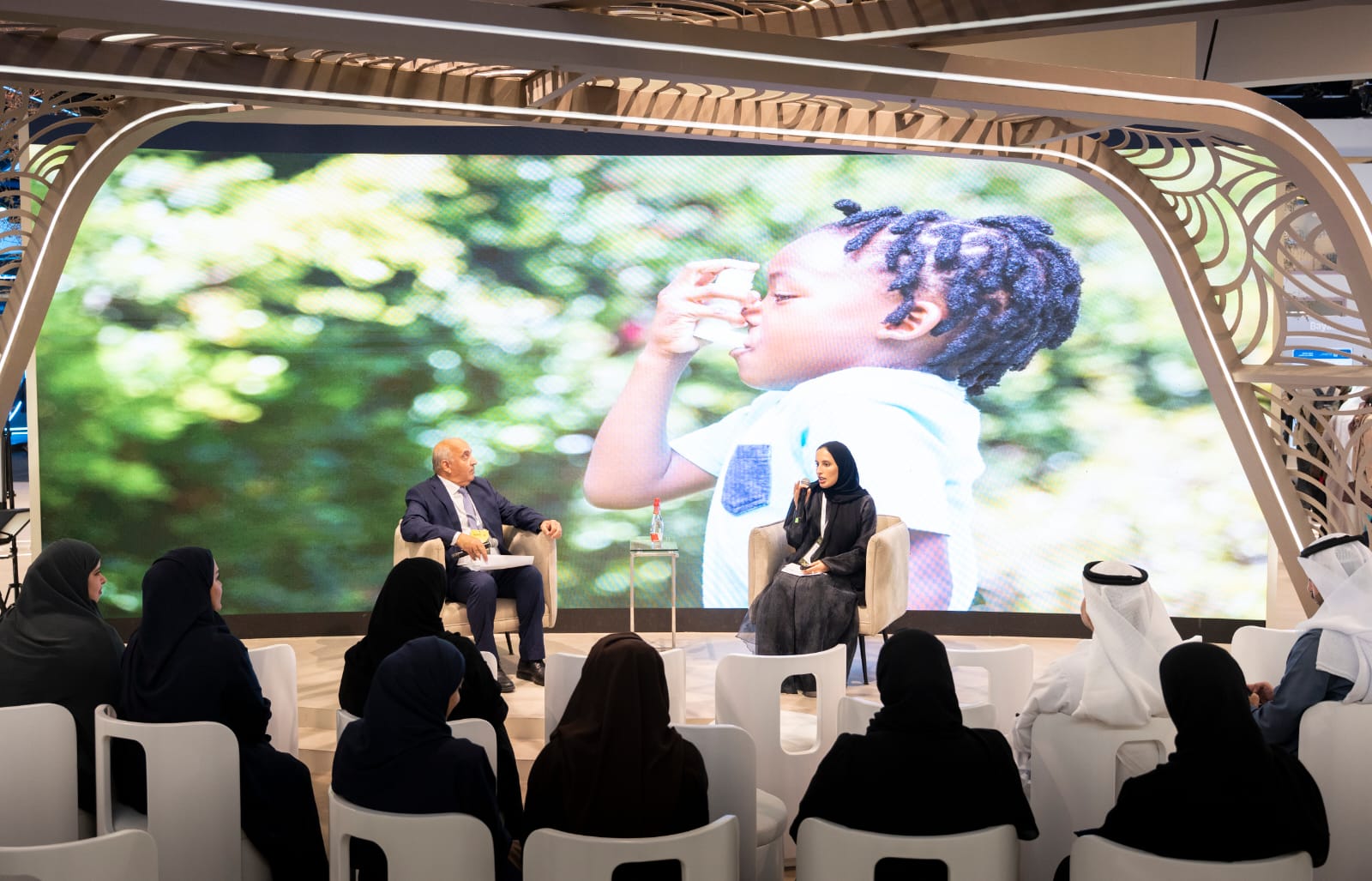
The Ministry of Health and Prevention (MoHAP) showcased the National Genome System in a workshop held at the "Emirates Health" Platform. The system constitutes an integrated national framework for building and analysing a comprehensive genetic database to enhance prevention, diagnosis and treatment through a precision medicine approach.
It supports the assessment of risks associated with genetic and chronic diseases and guides the adoption of the most appropriate therapeutic decisions based on advanced scientific methodologies.
In parallel, the Dubai Health Authority held a workshop on the role of emotional intelligence in managing workplace stress, and the Emirates Council for Integrative Medicine organised a session to outline its vision and objectives.
Innovative agreements
A number of memoranda of understanding and partnership agreements were also signed with government and private-sector institutions.
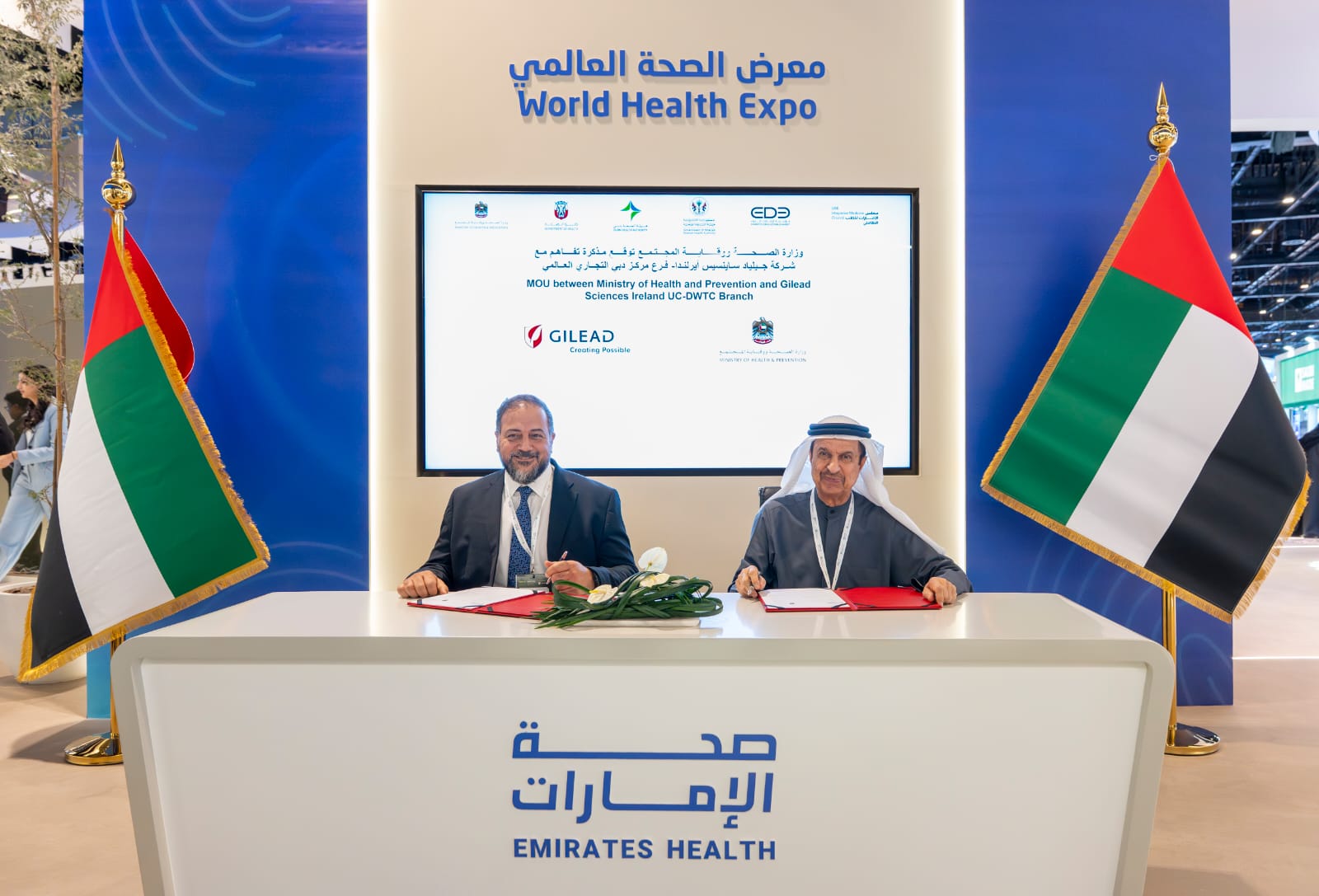
The Ministry of Health and Prevention signed a memorandum of understanding with Gilead Sciences Ireland in relation to the National Programme to Combat Human Immunodeficiency Virus (HIV), aimed at strengthening scientific education and raising awareness of the virus, its modes of transmission and preventive measures.
The agreement also provides for training and professional development for healthcare professionals on the latest developments in early detection, routine testing, medical interventions and preventive measures, contributing to improved diagnosis rates and reducing the risk of transmission.
Meanwhile, the Emirates Drug Establishment signed memoranda of understanding with the University of Sharjah, Mubadala Bio and Novartis Middle East. The Dubai Health Authority also concluded a partnership agreement with Digital Dubai to develop a unified data platform.
المشاركة على وسائل التواصل الاجتماعي
إذا أعجبك المحتوى يمكنك مشاركته عبر